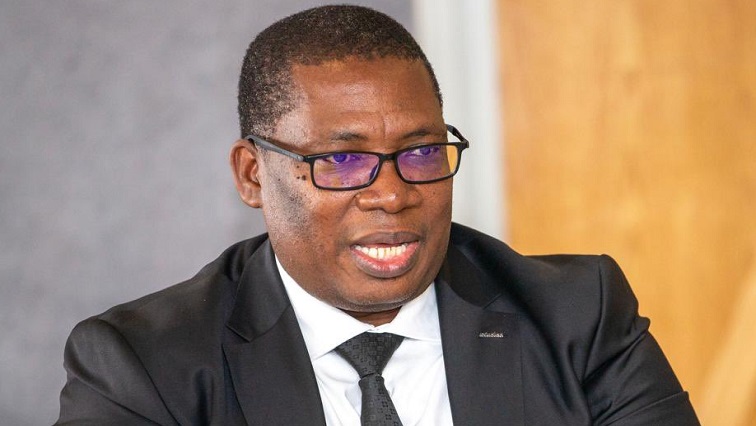

Premier Panyaza Lesufi Apologizes Gauteng Premier Panyaza Lesufi, a prominent figure known for his impactful roles in education and politics in South Africa, found himself entangled in controversy following a remark he made regarding 'the minister.'
The statement, hinting at the limited tenure of 'the minister,' after allegedly failing to recognise 6 000 provincial crime wardens the premier launched this year ignited a firestorm across social and traditional media channels.
Over the weekend, Lesufi addressed an “internal political presentation” where his words carried weight due to his influential stature. This prompted widespread speculation and discussions about the context and potential consequences of his statement. The ambiguity surrounding the remark sparked various interpretations, leading to intensified scrutiny of Lesufi's intentions and the impact of his words.
A video circulated showed enraged Lesufi rebuking a minister believed to be Justice and Correctional Services Minister Ronald Lamola for supposedly imposing sanctions on crime wardens' gun carrying.
"We've trained these young people to be wardens... you, as a minister, you are refusing to recognise them. Your days are numbered. When young people are assisting us to fight crime, you want to undermine them – said ANC Gauteng Chairperson Panyaza Lesufi.
Recognizing the storm his statement had brewed, he swiftly took to public platforms to extend an unequivocal apology to 'the minister.' His timely and seemingly sincere apology managed to capture attention and, to some extent, mitigate the initial backlash. This incident, however, catalyzed reflections on the role and responsibility of public figures in their communication. It emphasized the immense power held by influential personalities and the profound impact their words can have on public sentiment and discourse.
The reaction from government quarters and the media further highlighted the delicate balance public figures must strike between expression and accountability. From this controversial incident, emerge crucial lessons for public figures about the weight of their words and the necessity for more thoughtful communication. It underscores the imperative of being mindful of the implications of every statement made in public spaces.
Public figures like Lesufi face the challenge of managing and mitigating the repercussions of their statements. Strategies involving genuine apologies and taking responsibility for their words emerge as critical approaches to addressing such controversies. Their ability to navigate and transcend these situations determines their credibility and impact in the public domain.
Moving forward, it becomes imperative for individuals and communities to move beyond such controversies by engaging in constructive dialogue and fostering an environment that promotes responsible communication and understanding.
This incident serves as a powerful reminder of the influence and responsibility that accompanies public figures. It highlights the importance of fostering a culture of conscientious communication and understanding the gravity of words in shaping public discourse and perceptions.