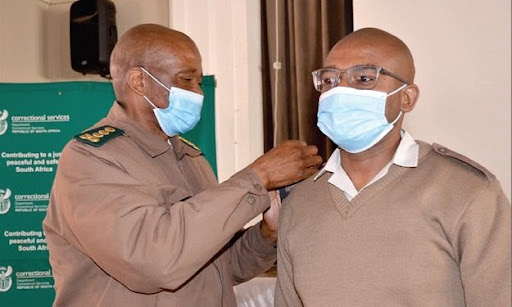

In recent months, the Pollsmoor Correctional
Facility has been in the spotlight due to an alarming outbreak of Diphtheria—a
bacterial infection rarely seen in modern times.
National Commissioner Makgothi
Thobakgale has taken the forefront in addressing this concerning health issue,
initiating measures to contain its spread and prevent further complications.
Diphtheria, a potentially fatal bacterial
infection, has resurfaced in an unexpected setting—the tightly-knit community
within Pollsmoor Correctional Facility. Despite being a preventable disease
through vaccination, its emergence in this environment raises questions about
health protocols and response strategies.
Background Information
To understand the gravity of the situation,
let's delve into two key components: the nature of Diphtheria and the context
of both Makgothi Thobakgale and Pollsmoor Correctional Facility.
Diphtheria is
an infectious disease caused by the Corynebacterium diphtheriae bacterium,
primarily affecting the respiratory system, leading to severe breathing
difficulties and, in severe cases, death.
Commissioner Makgothi Thobakgale, a
renowned advocate for healthcare within correctional facilities, oversees the
national correctional system's operations, emphasizing inmates' health and
rehabilitation. Pollsmoor Correctional Facility, situated in Cape Town, South
Africa, accommodates a significant inmate population and faces its unique
challenges in maintaining health standards.
Diphtheria Outbreak at Pollsmoor
The first signs of the Diphtheria outbreak at
Pollsmoor were met with immediate concern. Initial reports indicated a handful
of confirmed cases, but the disease swiftly spread among the inmate population.
The close proximity and limited space within the facility contributed to the
rapid transmission, heightening worries about a potential epidemic.
The disease's impact was grave, affecting
numerous inmates and raising concerns among the facility's staff. The urgency
to contain the outbreak prompted Commissioner Thobakgale and health authorities
to intervene promptly.
Response Efforts and Measures
Commissioner Makgothi Thobakgale swiftly
initiated multifaceted measures to curb the outbreak's progression. Health
authorities implemented rigorous vaccination programs within the facility,
targeting both inmates and staff members. Isolation protocols were established
to prevent further spread, and infected individuals received immediate medical
attention and treatment.
In a statement addressing the media,
Commissioner Thobakgale highlighted the comprehensive plans in place to control
the outbreak, reassuring the public of proactive steps taken to protect the
inmates' health.
Importance of Public Health in Correctional Facilities
The emergence of Diphtheria at Pollsmoor
underscores the critical importance of robust public health measures within
correctional facilities. The challenges faced in maintaining hygiene, managing
crowded spaces and ensuring timely healthcare access demand concerted efforts
to educate and raise awareness among both inmates and staff.
Commissioner Thobakgale emphasizes the need for ongoing education campaigns to prevent
future health crises.
As the situation gradually stabilizes, an
evaluation of the response efforts becomes paramount. Analyzing the effectiveness of the interventions and vaccination programs will enable the
implementation of more robust preventative measures to avert similar incidents
in the future. Commissioner Thobakgale advocates for continuous vigilance and
improvement in health protocols within correctional facilities nationwide.
The swift actions taken by Commissioner Makgothi Thobakgale and health authorities in response to the
Diphtheria outbreak at Pollsmoor Correctional Facility reflect the significance
of proactive healthcare measures in such environments. While challenges
persist, ongoing education and vigilant protocols remain the cornerstone in
preventing future health crises within correctional facilities.